
If you’re heading into the backcountry – whether for a weekend trip or a multi-day hike – being properly prepared matters more than having the “best” gear.
This guide focuses on backcountry essentials from a safety and preparedness perspective, based on real hiking experience in remote areas and changing conditions.
1. Navigation Tools (Map, Compass, GPS)
Never rely on your phone alone. Batteries die and apps crash. A paper map and compass are your most reliable navigation tools, and it’s important to know how to use them. GPS or phone apps (like Gaia or AllTrails) are great too – just bring a backup power bank if you’re going digital.
Tip: Store your map in a ziplock or waterproof pouch.
2. Sun Protection
One of the most overlooked backcountry essentials – you can get sunburned in the snow, in the shade, and even when it’s cloudy. Bring with you:
- Sunscreen (SPF 30 or higher, sweat-resistant)
- SPF lip balm
- Sunglasses (polarized is best)
- A hat with a brim or neck flap
Extra: In snow or on water, UV rays reflect more strongly. Reapply sunscreen more often.
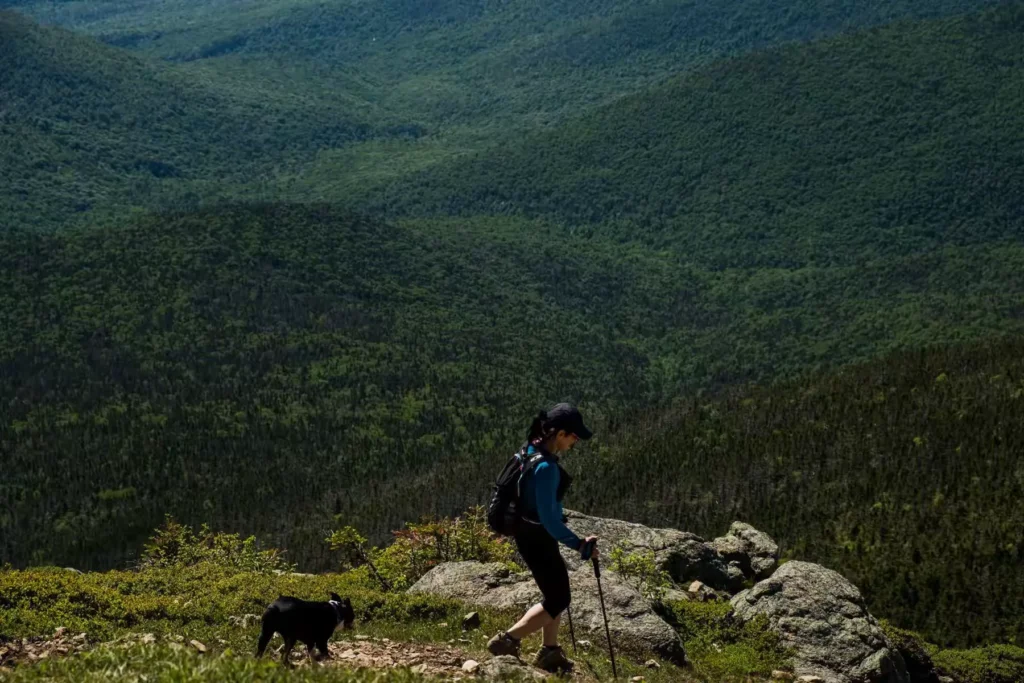
3. Extra Layers for Weather Changes
Conditions can shift fast in the backcountry. Even in summer, temperatures drop at night or at high elevations. And never assume that the weather at the parking lot or trailhead will be the same at your destination. I always pack:
- A warm insulating layer (fleece or down)
- A waterproof shell
- Hat (toque) and gloves
- An extra pair of socks
Avoid cotton – it stays wet and makes you colder. Go for merino wool or synthetic fabrics, which are backcountry essentials for clothing. We have Icebreaker for midlayer, underwear and socks.
4. Headlamp or Flashlight (Plus Batteries)
If you’re delayed or hiking into the evening, a headlamp is a lifesaver. Choose a lightweight headlamp with long battery life and reliable cold-weather performance.
Why it matters: Phone flashlights drain batteries quickly and aren’t hands-free.
5. First Aid Kit
A small, lightweight kit can handle minor injuries and prevent small issues from getting worse. Include:
- Bandages
- Blister plasters
- Antiseptic wipes
- Painkillers
- Tweezers
- Any personal meds
Tip: Check and restock before every trip. You can create your own or buy a pre-made kit.
6. Fire Starter
Having at least two ways to start a fire is essential. Pack:
- A lighter or waterproof matches
- Firestarter cubes or cotton balls soaked in Vaseline
Even if you don’t plan to make a fire, this can save your life in an emergency.
7. Knife or Repair Tool
A basic multi-tool or knife is great for gear repairs, cutting rope, or first aid. Also bring some duct tape (wrap a bit around your water bottle) and zip ties for quick fixes.
Bonus: Small gear repair kits can patch tents or backpacks on the go.
8. Emergency Shelter
Even if you’re planning to sleep in a tent, carry a lightweight backup shelter like:
- Emergency bivvy sack
- Tarp
- Space blanket
It can protect you if someone gets injured, lost, or the weather turns suddenly.

9. Extra Food
Pack at least one day’s worth of extra snacks or a meal. Granola bars, trail mix, jerky, or freeze-dried meals are lightweight and high energy.
Why: You may take longer than expected or get delayed by weather.
10. Water and Filters
Dehydration sets in quickly, especially in hot weather or with heavy packs. Bring:
- More water than you think you need
- A reliable water filter suitable for backcountry use. I use katadyn water filter for my trail running
- Purification tablets as a backup
Reminder: Streams and lakes can look clean but carry bacteria and parasites.
Optional Extras (Season & Location Specific)
These aren’t part of the traditional “Backcountry Essentials,” but they’re super useful:
- Bear spray or whistle — for wildlife zones
- Trekking poles – help with balance on steep or uneven trails
- Bug spray or head net — essential in mosquito season
- Satellite communicator — for remote areas with no cell signal
- Check my post for Winter Hiking Essentials
Final Tips for Backcountry Essentials
- Keep all your backcountry essentials accessible in your pack.
- Make sure every person in your group has their own backcountry essentials.
- Test your gear before your trip, especially headlamps, water filters, and fire starters.
These ten backcountry essentials aren’t just for emergencies – they help you stay comfortable and confident in the outdoors. I include them in all my multi-day hikes, and they’ve come in handy more than once.